Experiencing Miyajima's Kangen Festival by Boat – A Local Guide's Perspective
By Tetsuo Hamano | Go with Pancho
A Summer Night That Revealed a Different Side of Miyajima
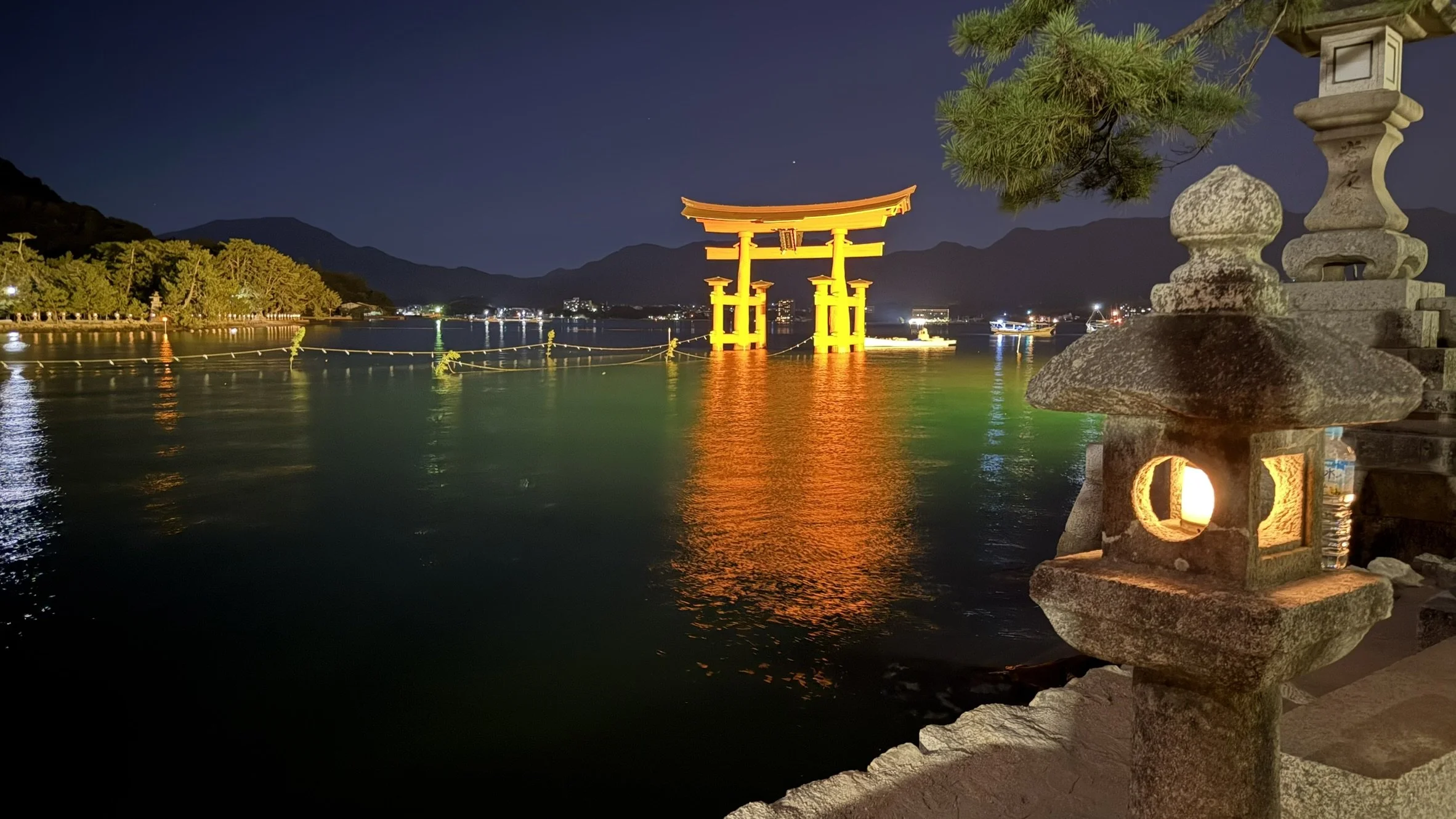
When most visitors think of Miyajima, they picture the floating torii gate, Itsukushima Shrine, and the island's famous deer under the bright afternoon sun.
But on one special night each summer, the island transforms into something entirely different.
On July 30, I had the opportunity to experience the Kangen Festival (Kangen-sai), one of Miyajima's most important traditional events, by joining a sightseeing cruise operated by a local ferry company. Although I have guided many visitors around Miyajima during the day, witnessing this centuries-old ceremony from the water gave me an entirely new appreciation for the island's cultural heritage.
For travelers looking beyond the typical sightseeing experience, the Kangen Festival offers one of Japan's most beautiful and authentic summer traditions.
What Is the Kangen Festival?
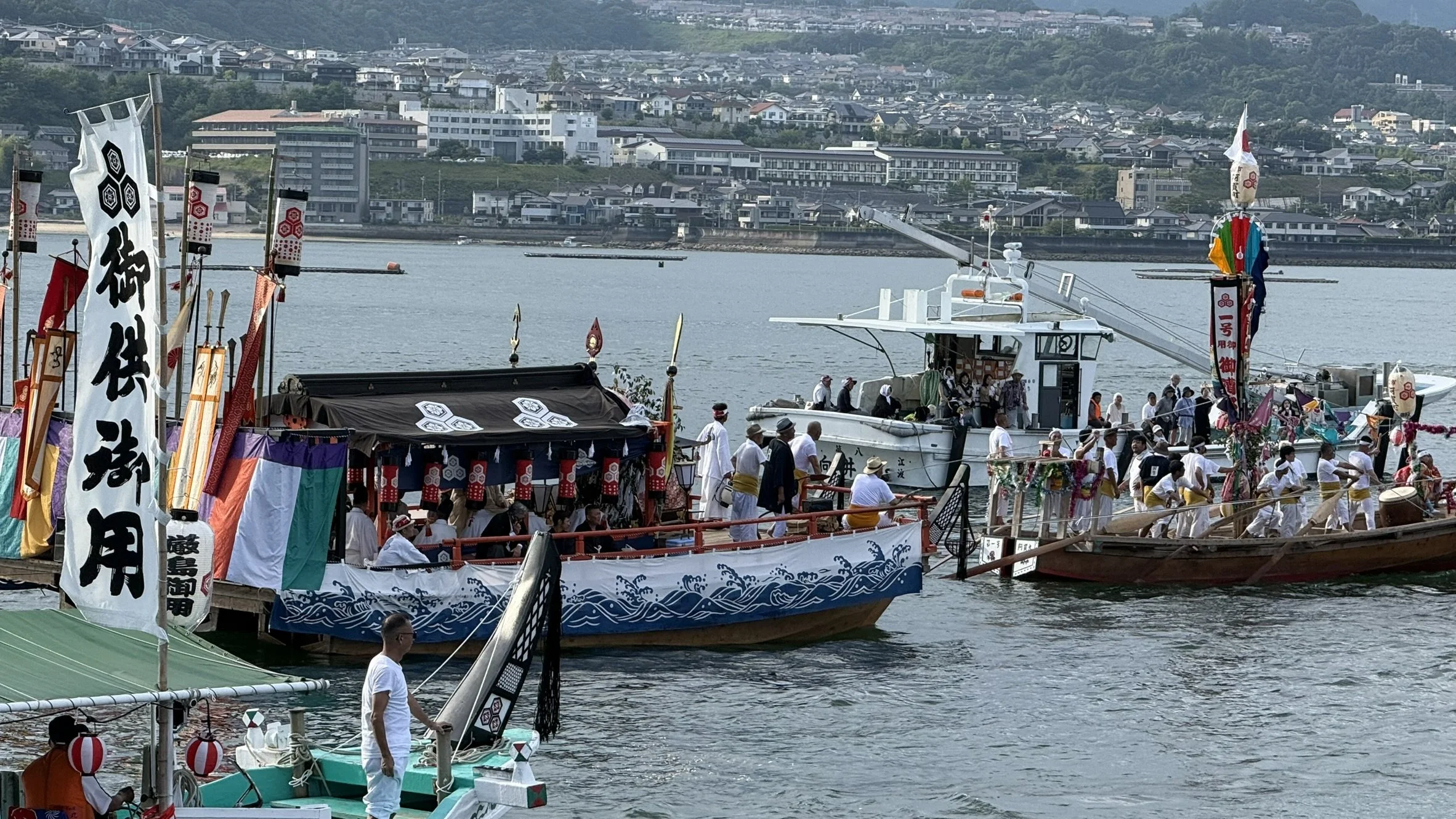
The Kangen Festival (管絃祭) is one of the most important annual ceremonies of Itsukushima Shrine and is regarded as one of Japan's three great maritime Shinto festivals.
Its origins date back to 1146, when the powerful samurai leader Taira no Kiyomori helped develop Itsukushima Shrine into one of Japan's most significant sacred sites.
The festival recreates an elegant aristocratic pastime from the Heian Period known as kangen-no-asobi, in which court nobles enjoyed music while sailing on boats.
While this tradition originally took place on ponds and rivers around Kyoto, Miyajima transformed it into something unique.
Instead of drifting across palace gardens, sacred boats carrying musicians, priests, and portable shrines travel across the Seto Inland Sea between Itsukushima Shrine and several associated shrines on the mainland.
The result is a breathtaking combination of Shinto ritual, traditional court music (gagaku), moonlight, lanterns, and the calm waters surrounding Miyajima.
Why Is It Held at Night?
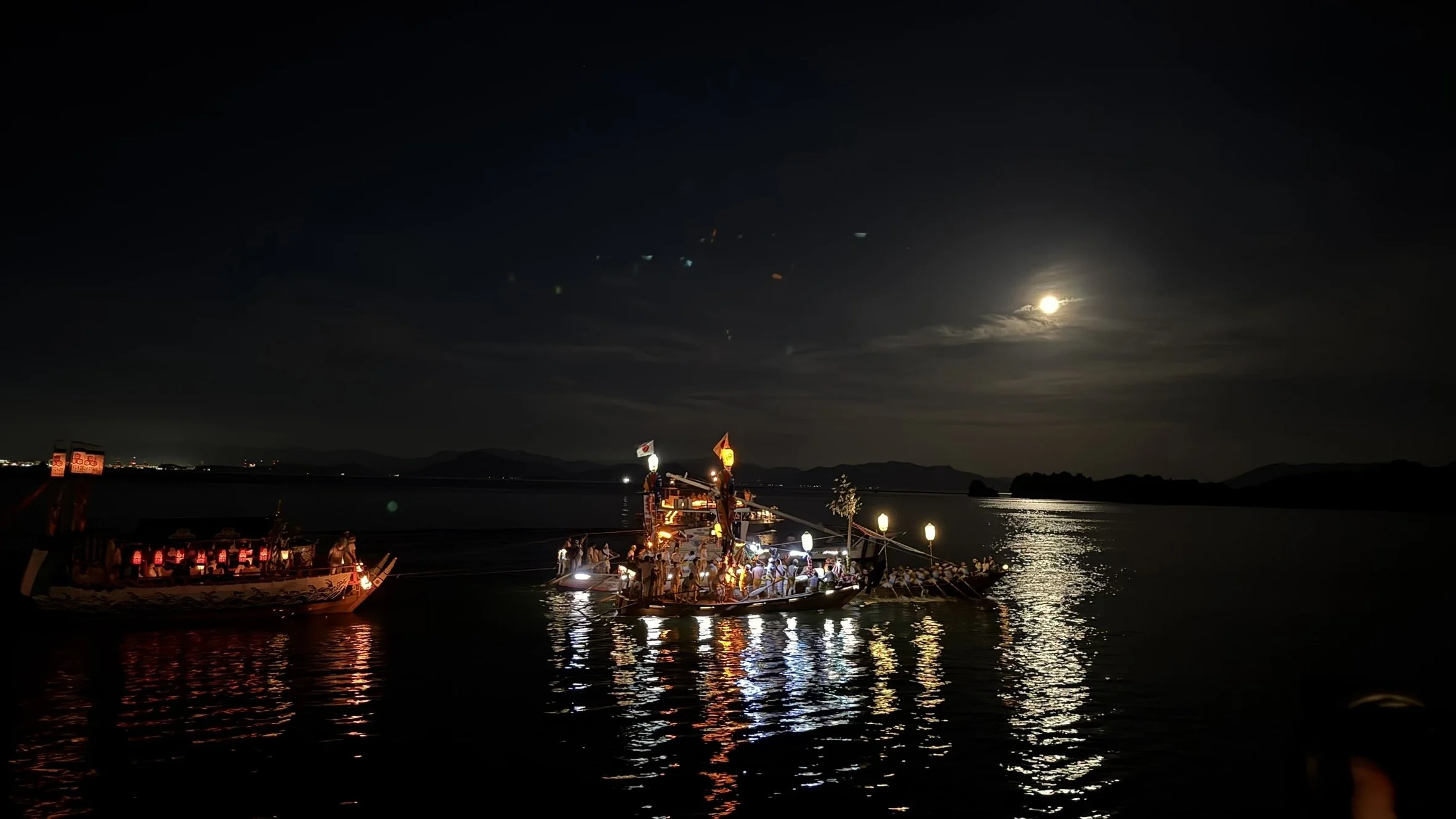
Secred boat and moon
The Kangen Festival follows the 17th day of the sixth month of the traditional lunar calendar, meaning the date changes every year on the modern calendar.
There are practical reasons for this timing.
During this season, tidal conditions make navigation easier, while the nearly full moon naturally illuminates the sea, allowing the boats to travel safely through the night.
For visitors today, this timing creates an unforgettable atmosphere.
Watching beautifully illuminated boats glide silently across the water beneath the moon is unlike any daytime visit to Miyajima.
Watching the Festival by Boat
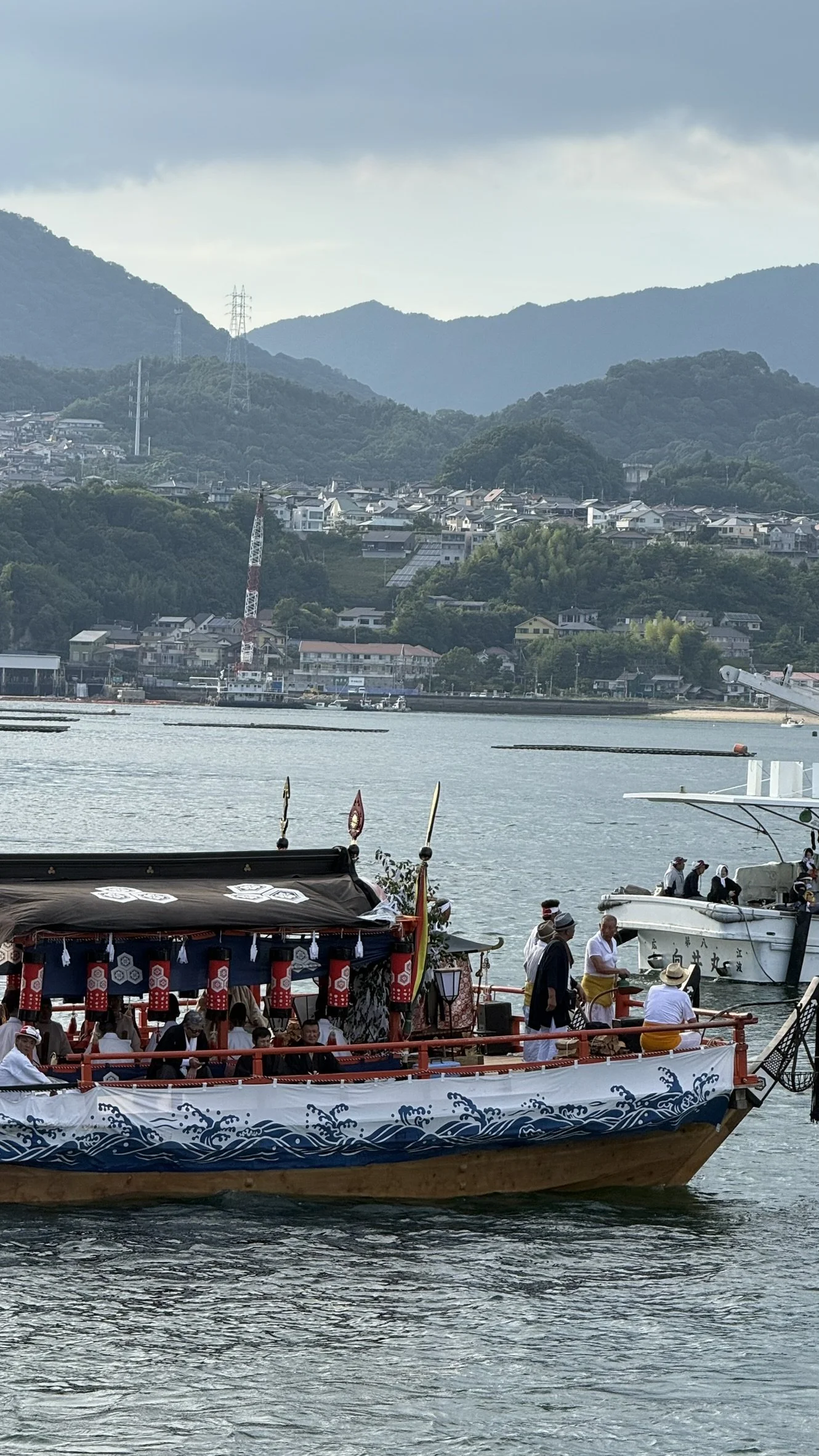
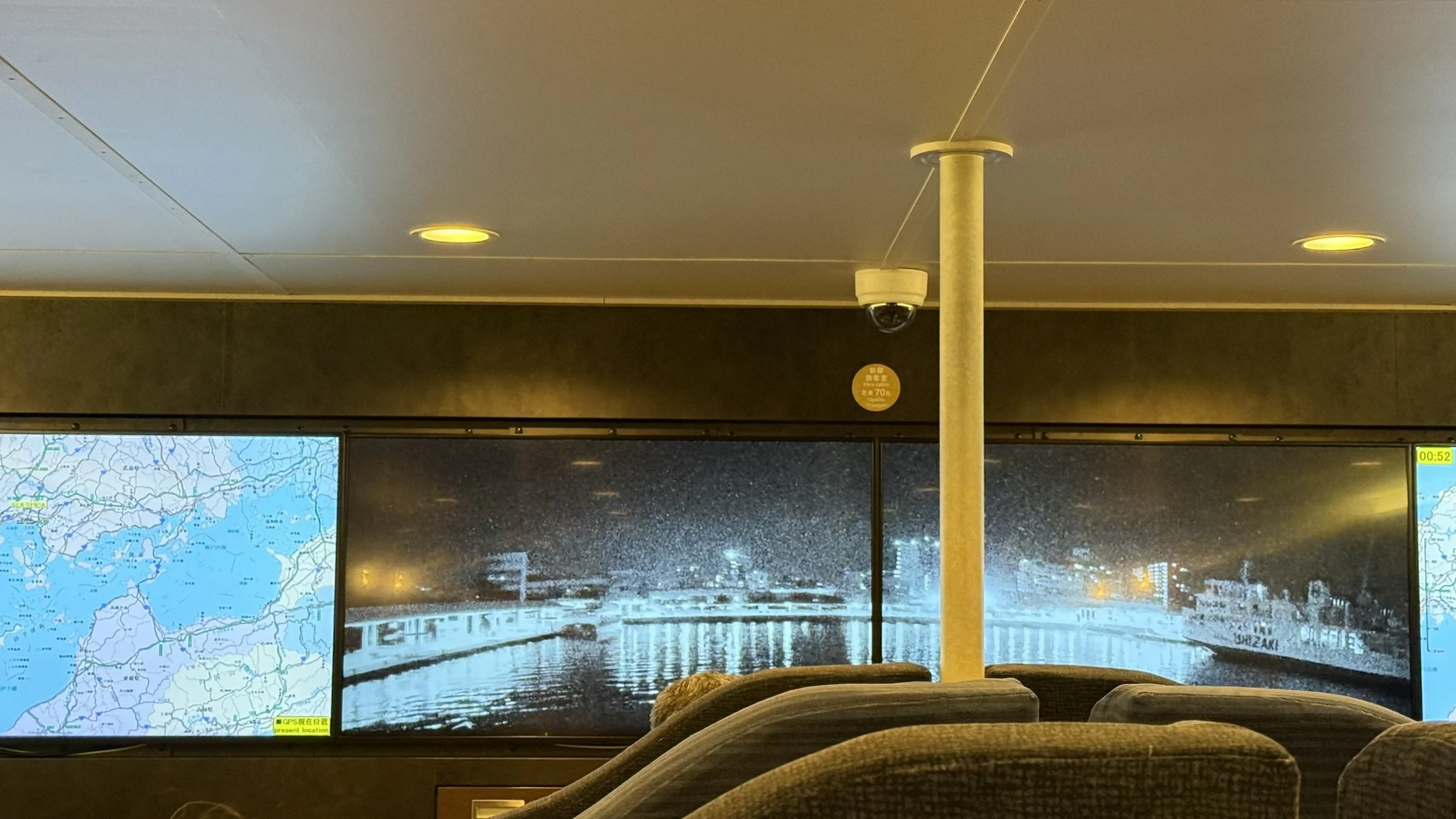
Rather than remaining on the island, I decided to join a sightseeing cruise departing from Ujina Port in Hiroshima.
In my opinion, this is one of the best ways to experience the festival.
The ferry follows the sacred boats at a respectful distance, allowing passengers to appreciate the ceremony from the sea without interfering with the ritual itself.
The vessel was comfortable, air-conditioned, and equipped with an open observation deck on the second floor.
For photography, I highly recommend spending as much time on the upper deck as possible.
From there, the panoramic views of Miyajima, the shrine, and the illuminated boats are spectacular.
After arriving at Miyajima, our ferry waited as preparations continued.
As dusk gradually settled over the island, the sacred boats finally departed from Itsukushima Shrine toward the mainland.
Our ferry quietly followed behind, occasionally drawing close enough for us to admire the elegant vessels while the sound of traditional court music drifted across the water.
It felt less like watching a festival and more like witnessing a living tradition that has continued for nearly nine centuries.
Waiting with the Tide
One aspect of the festival that surprised me was how naturally it follows the rhythm of the sea.
At one point, the boats paused offshore, waiting for favorable tidal conditions before continuing their journey.
Rather than feeling like an interruption, the pause became part of the experience.
Passengers relaxed on deck, photographers prepared for the changing light, and everyone quietly watched as the sky shifted from sunset to deep blue.
Eventually, the procession reached the mainland, where another sacred ceremony took place.
Our ferry remained offshore during the ritual, giving us time to appreciate the peaceful evening scenery before returning to Miyajima.
Evening on Miyajima
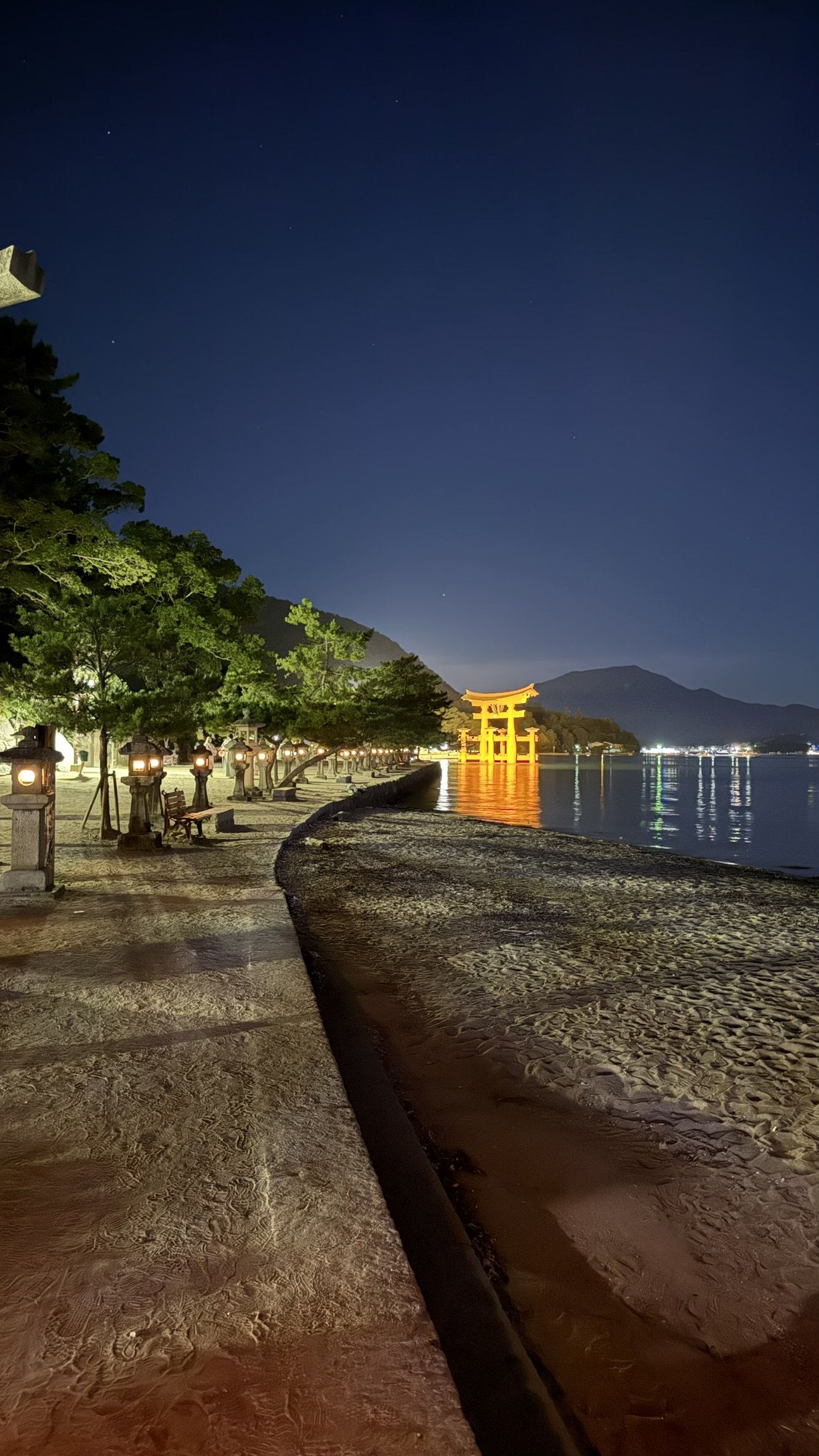
After the ceremony on the mainland, our ferry returned to Miyajima ahead of the sacred boats, giving us about an hour of free time on the island.
At first, I thought this might be too long, but it turned out to be a pleasant opportunity to experience Miyajima in a completely different atmosphere. Most of the souvenir shops had already closed after 6:00 p.m., and the daytime crowds had disappeared. I stopped at a small café for a cup of coffee before taking a quiet walk through the island.
If you're used to seeing Miyajima bustling with tourists during the day, the peaceful evening atmosphere feels like visiting a different place altogether.
A Living Tradition Preserved by the Local Community
One of the most fascinating stories I learned that evening concerned the three boats that pull the sacred vessel during the return journey.
Centuries ago, according to local tradition, the festival procession encountered severe weather and was in danger of being lost at sea. Fishermen from what are now Hiroshima City and Kure came to the rescue, helping guide the sacred boat safely back to Miyajima.
To honor that event, the festival continues to include three towing boats representing those communities. Even today, local residents volunteer to row these boats by hand as part of the ceremony.
Watching them work was impressive. There were no engines, only the rhythmic sound of drums and the synchronized effort of dozens of rowers moving together across the water.
Maintaining this tradition is becoming increasingly difficult. Like many rural communities in Japan, the festival faces the challenge of an aging population and fewer young volunteers.
To ensure that the tradition continues, local organizations visit elementary schools and introduce children to the history and significance of the Kangen Festival, encouraging the next generation to become involved.
This reminded me that what visitors see for one evening is actually supported by the dedication of an entire community throughout the year.
A Conversation That Stayed with Me
While waiting for the sacred boats to return, I noticed several young children standing with their families.
Curious, I asked one of them why they had come so late at night.
The answer was simple.
"My dad is rowing one of the boats."
That single sentence changed how I viewed the festival.
For visitors, the Kangen Festival is a beautiful cultural event.
For local families, it is something much more personal.
It is a tradition passed from one generation to the next, with children proudly watching their parents take part in a ceremony that has continued for nearly 900 years.
I later learned that many of the rowers practice throughout the year, with more intensive training beginning several weeks before the festival.
Knowing this made the ceremony even more meaningful.
Welcoming the Sacred Boats with Lanterns
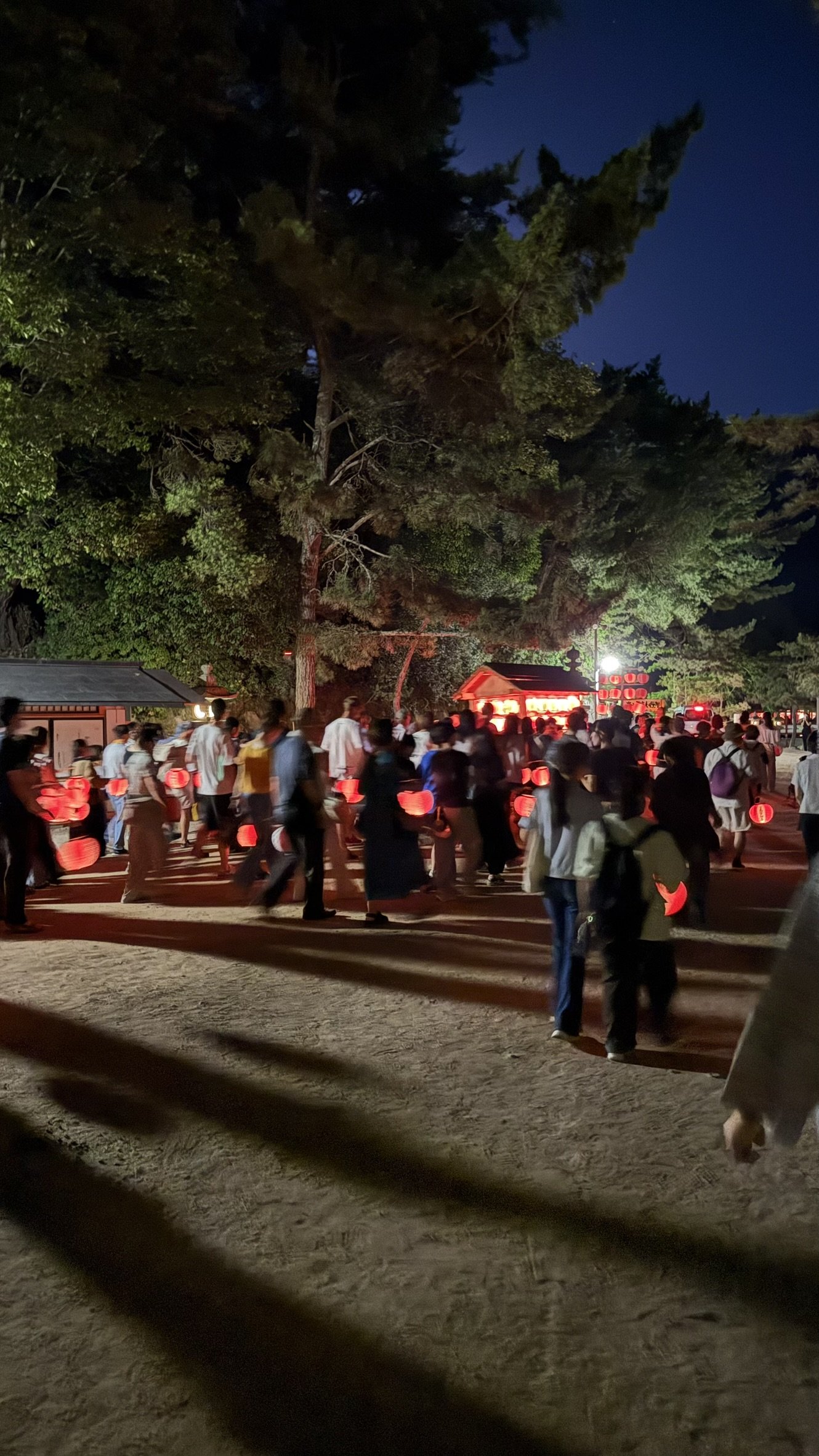
As the sacred procession approached Miyajima once again, we headed to Nagahama Shrine, where another memorable experience awaited.
Visitors were each given a traditional paper lantern, and volunteers carefully lit the candles inside.
Holding a glowing lantern while waiting for the boats created an atmosphere that felt both festive and deeply spiritual.
From there, we walked toward Itsukushima Shrine together with hundreds of local residents and visitors.
One pleasant surprise was that people carrying these festival lanterns were allowed to enter the shrine grounds without paying the usual admission fee. After entering, the lanterns were collected at the shrine entrance before everyone took their places along the famous wooden corridors.
The Most Spectacular Moment of the Festival
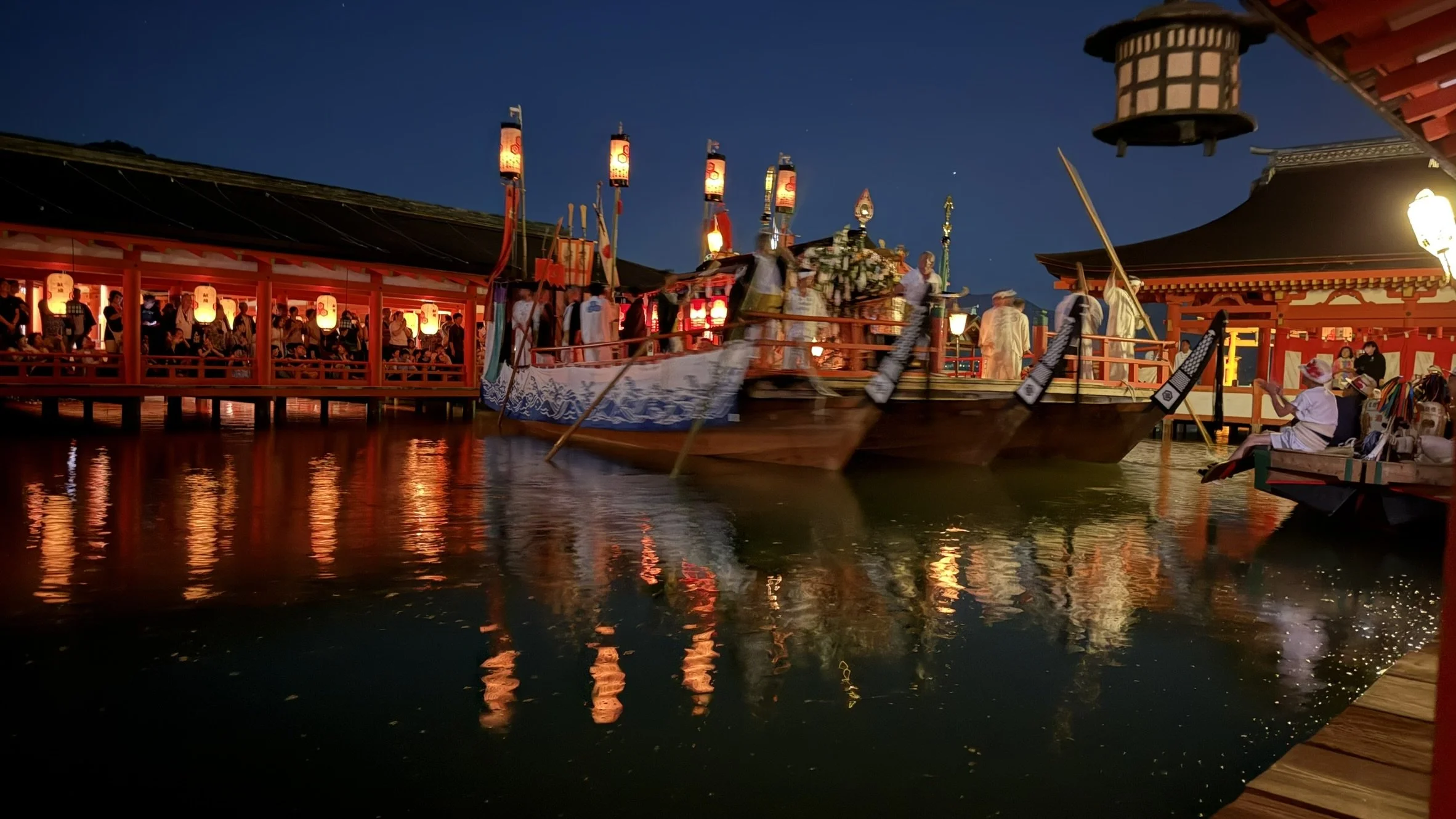
Many people around me were waiting for one particular moment.
The sacred boat would perform three graceful turns in the narrow waterway beside Itsukushima Shrine before completing its journey.
Standing there, I honestly wondered whether such a large wooden boat could really turn in such a confined space.
As the boat slowly approached, the rowers responded to rhythmic calls while the crew skillfully guided the vessel through the water.
Despite the limited space, the boat rotated with remarkable precision and elegance.
It was one of those moments where photographs simply cannot capture the atmosphere.
The combination of lantern light, traditional music, wooden architecture, and centuries-old ritual created one of the most unforgettable scenes I have experienced in Hiroshima.
Although there was a long wait before this climax, I can confidently say it was worth every minute.
Practical Tips for Visiting the Kangen Festival
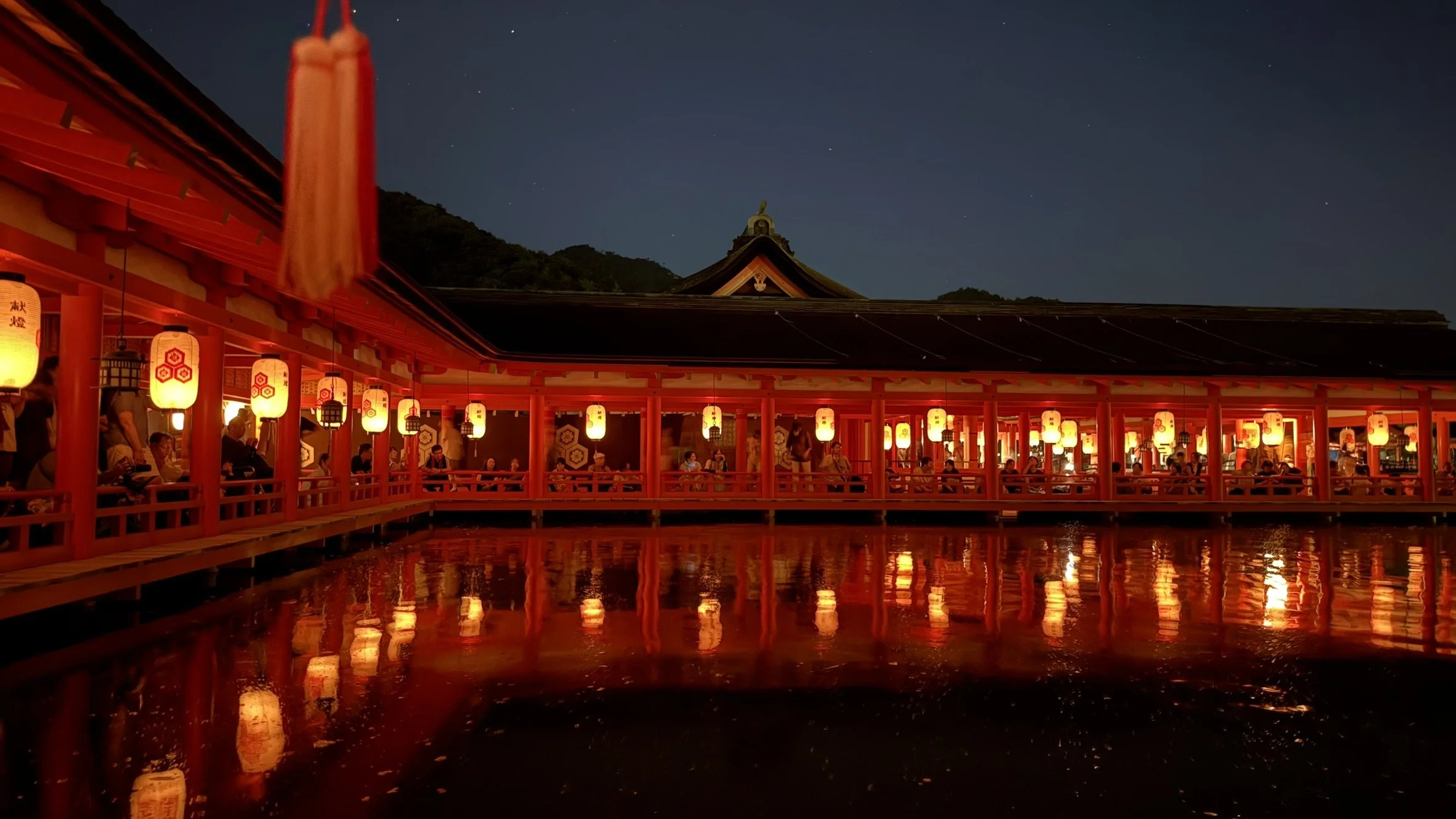
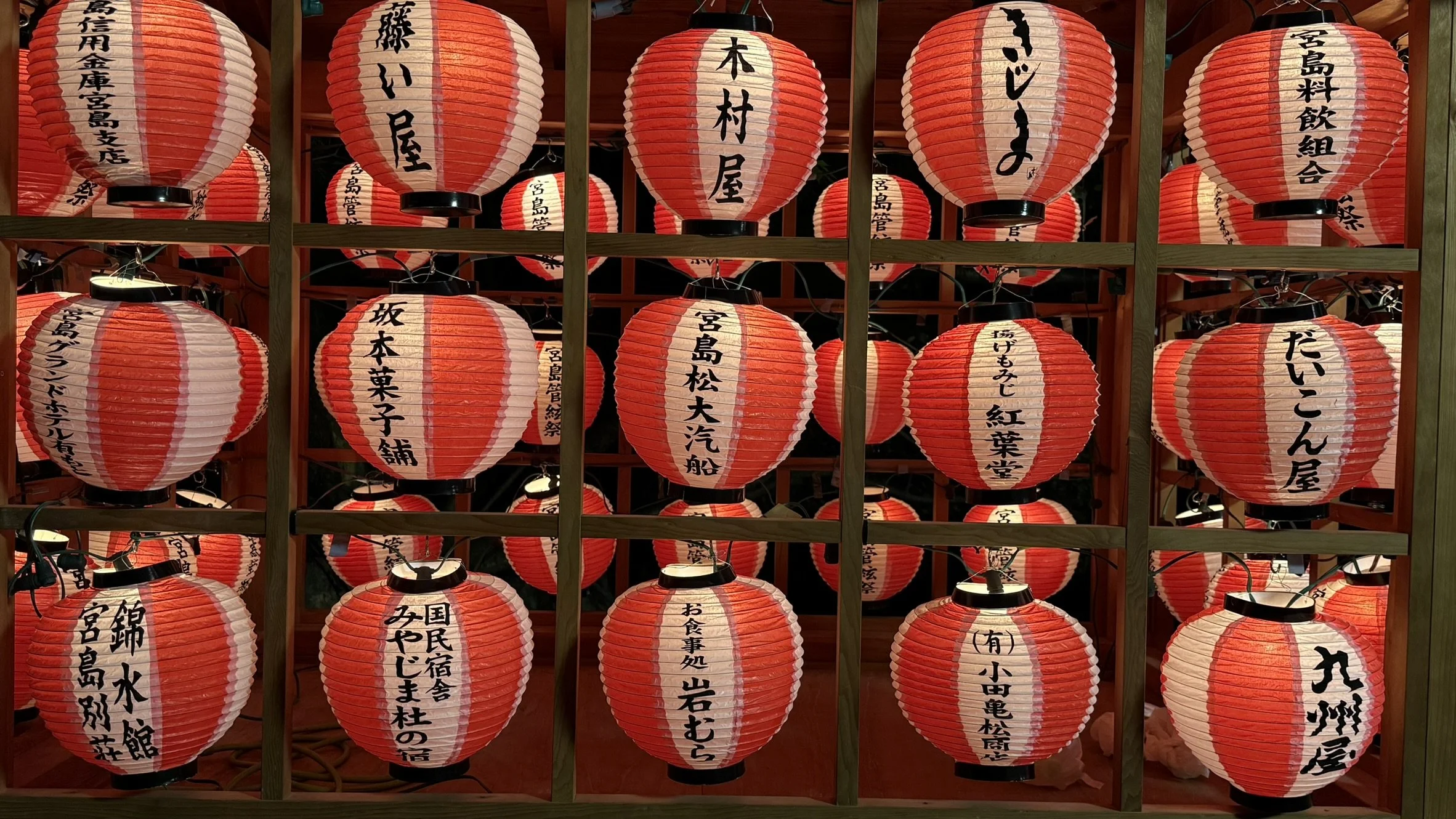
Itsukushima shrine’s corridorr with lanterns
Best ways to experience the festival
Join a sightseeing boat tour for close-up views from the water.
Stay overnight on Miyajima if possible to enjoy the entire ceremony without worrying about transportation.
If you visit independently, arrive early to secure a good viewing location around Itsukushima Shrine.
What to wear
July evenings remain hot and humid.
I recommend bringing:
Comfortable walking shoes
Lightweight clothing
A towel
Plenty of water
Insect repellent
A portable battery for your phone or camera
Photography Tips
Some of the best places to photograph the festival include:
The upper observation deck of a sightseeing ferry
Nagahama Shrine during the lantern ceremony
The corridors of Itsukushima Shrine
The floating torii gate at sunset
The sacred boats illuminated against the night sky
If you enjoy night photography, a tripod may be useful where permitted.
Transportation Tips
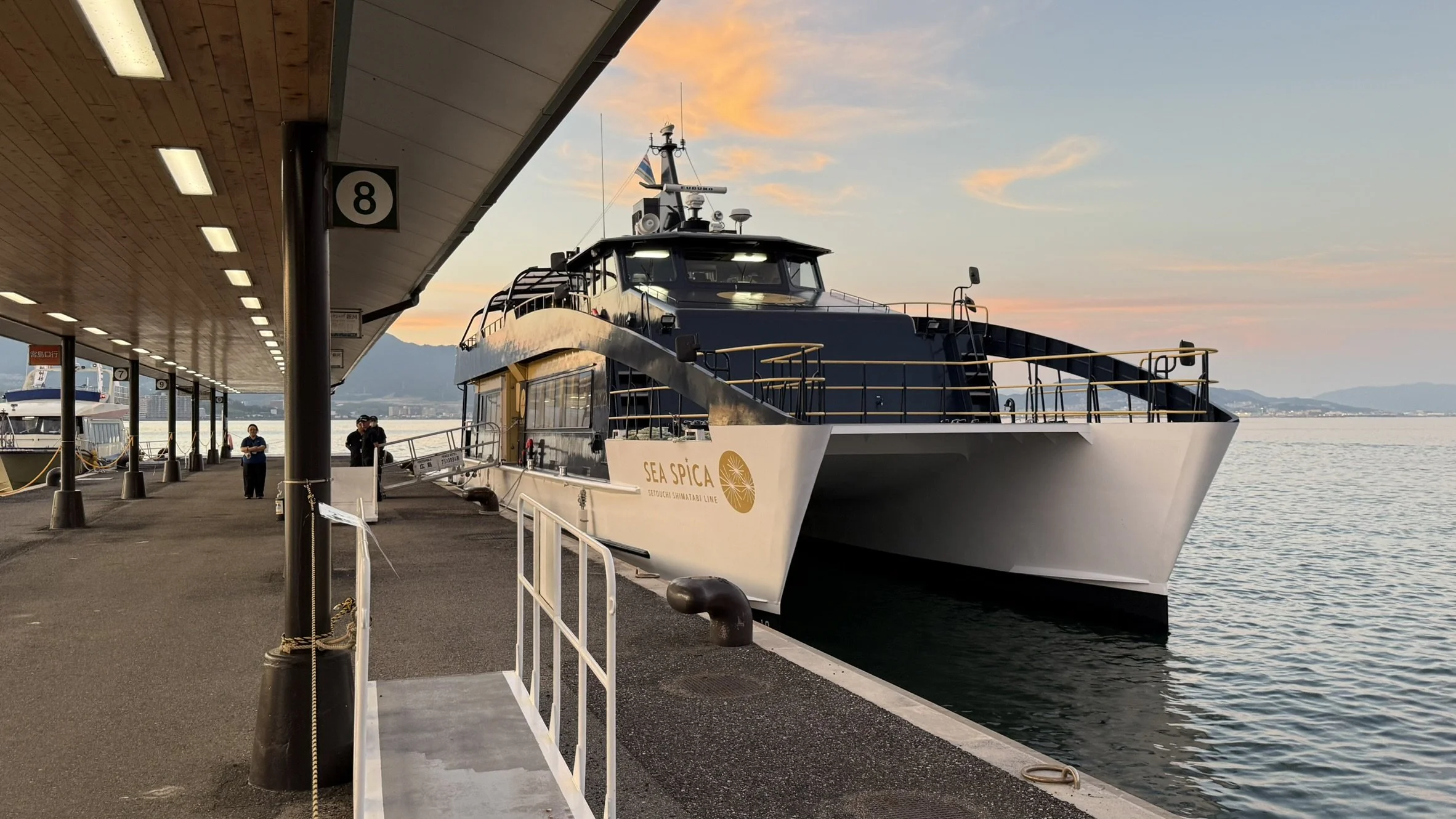
One important thing to remember is that the festival finishes quite late.
Although ferry services are extended on the festival night, JR trains back to Hiroshima may already have stopped by the time you return to the mainland.
If you are not staying overnight on Miyajima, check the ferry and train schedules in advance or be prepared to take a taxi after arriving back on the mainland.
Planning ahead will make your evening much more enjoyable.
Final Thoughts
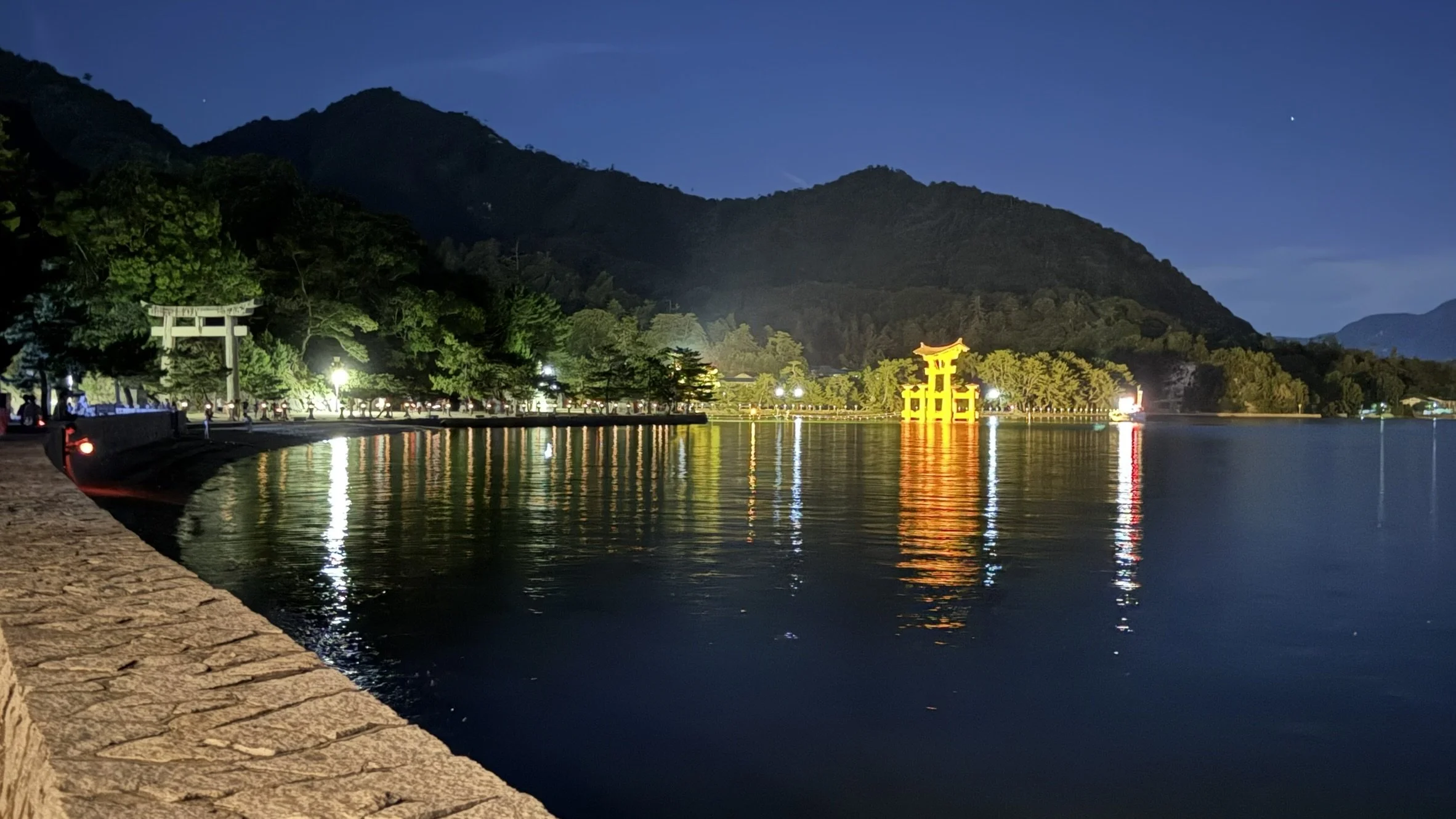
Many travelers visit Miyajima to admire its famous torii gate and UNESCO World Heritage shrine.
The Kangen Festival reveals a completely different side of the island.
Rather than simply being a tourist attraction, it is a living tradition sustained by local people who continue to preserve their cultural heritage with remarkable dedication.
For me, the most memorable moments were not only the beautifully illuminated boats or the elegant sounds of ancient court music.
It was meeting the families whose fathers were rowing the sacred boats, learning about the efforts to pass this tradition on to younger generations, and realizing that this festival continues because an entire community believes it is worth protecting.
As a local guide in Hiroshima, I often encourage visitors to look beyond the famous landmarks.
The Kangen Festival reminded me once again that some of Japan's most meaningful travel experiences happen after sunset, when traditions are celebrated not for tourists, but for the people who call these places home.
If your visit to Japan coincides with the Kangen Festival, I highly recommend making time to experience this extraordinary night. It may become one of the most memorable evenings of your journey.